Blog
Electric & Bioethanol Fire Pits vs Propane: Which Should You Buy?

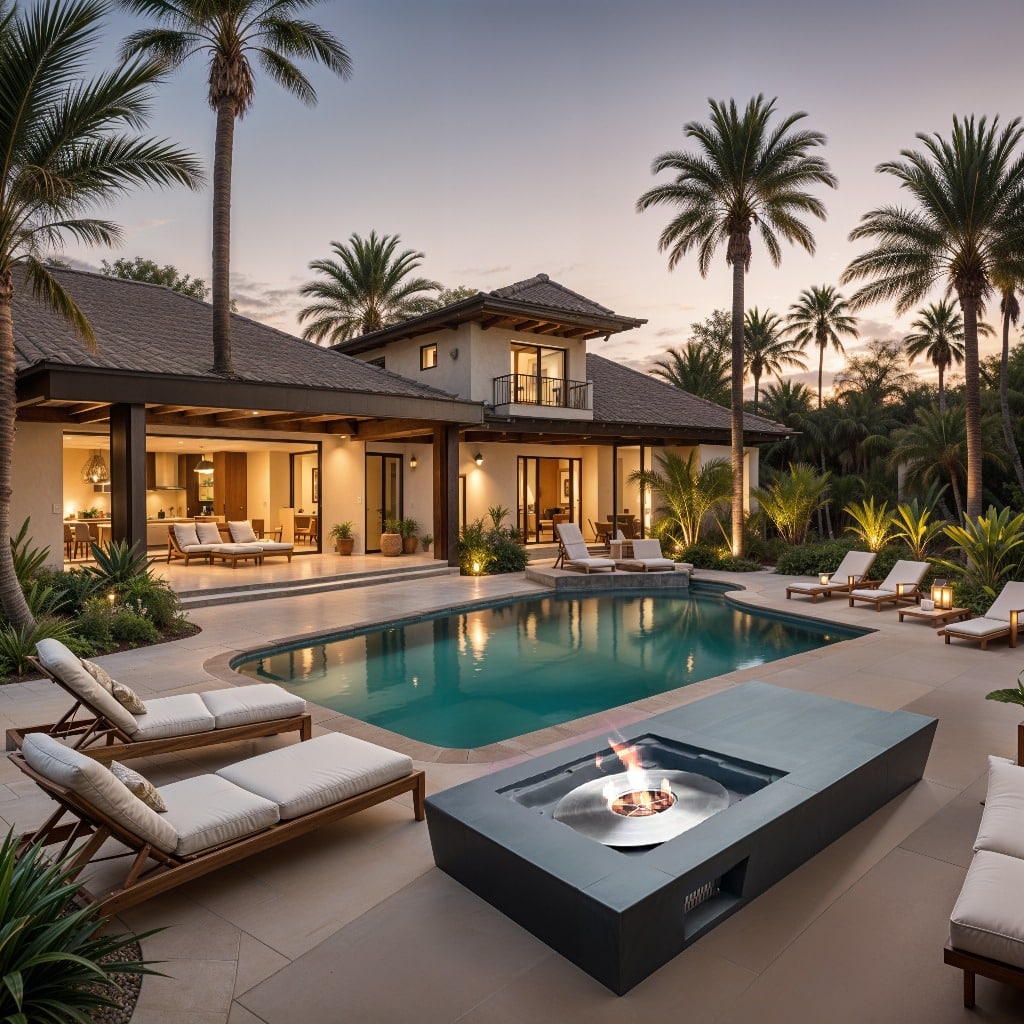
Quick answer: Wood, ethanol, gas and electric products use different fuels and have different installation requirements.
Smokeless wood designs reduce smoke; ethanol tables provide an open flame without wood; gas requires the correct supply and appliance setup; electric heating has no combustion flame.
Outdoor Living HQ sells the wood and ethanol fire-pit options covered here. Check the approved use and local rules for every type.
The comparison table
| Feature | Wood (open) | Wood (smokeless) | Ethanol | Gas / Propane | Electric |
|---|---|---|---|---|---|
| Flame | Real | Real, tall and clean | Real, moderate | Real, adjustable | None (radiant element) |
| Smoke | Yes | Reduced once established | No wood smoke; produces combustion gases | No wood smoke; produces combustion gases | No combustion smoke at point of use |
| Heat | High | High | Moderate | Moderate–high | Low–moderate |
| Setup | Approved location and safe fire setup | Approved location and safe fire setup | Approved placement, ventilation and fuel | Gas line or bottle; compliant appliance setup | Suitable electrical supply and installation |
| Covered areas | Do not assume suitable | Do not assume suitable | Only if exact model and location are approved | Only if unit is certified for the installation | Subject to appliance suitability and rules |
| Running cost | Often low; depends on firewood cost | Depends on fuel use and wood cost | Moderate | Moderate | Depends on power tariff and heater output |
| We sell it | Yes — carbon steel | Yes — Diablo smokeless | Yes — ethanol fire tables | No | No |
On a mobile screen, scroll the table sideways to compare all five options.
Comparison note: Heat output and running costs vary by model, fuel prices and operating conditions. The table is an overview, not an installation approval. Always check the exact appliance instructions and applicable rules.
Wood — the benchmark (and the smokeless fix)
Nothing matches wood for heat per dollar or for the crackle people actually buy a fire pit for. Its two downsides are smoke and rules.
Smoke is reduced by secondary combustion — the Diablo smokeless fire pits re-burn smoke before it escapes.
Rules are location-specific: contained wood fires may be permitted in suitable council areas, subject to current fire restrictions, total fire bans and manufacturer requirements.
Big open fires for less money: the carbon steel bowls from 800mm to 1200mm.
Ethanol — real flame where wood can't go
Bioethanol burns without firewood or wood ash, making ethanol fire tables a different option from a wood-burning fire pit.
An ethanol flame provides moderate warmth, but it still produces heat and combustion gases and requires safe fuel handling.
Covered alfresco areas and strata settings are not automatically permitted. Confirm the exact model's approved surfaces, ventilation, clearances and local requirements.
The ethanol fire pit guide covers fuel and safety in full.
Gas and propane — convenience with strings
A gas fire pit lights with a knob and dies with a knob — genuinely convenient, and the clean look suits modern patios.
The strings: a natural-gas unit needs a licensed gasfitter and a plumbed line; a propane unit needs bottle swaps and somewhere suitable for the bottle.
Both can put out less radiant heat than the flame suggests.
Covered-area use depends on the specific unit's certification, ventilation and clearance requirements — never assume.
Outdoor Living HQ does not sell gas or propane fire pits.
If instant-off matters more than heat and the wood-fire ritual, gas is a legitimate choice from a specialist gas retailer.
If you're considering gas mainly to avoid wood smoke, a smokeless wood fire pit or an ethanol fire table may be alternatives, provided the location is approved for the chosen appliance.
Electric — heat without fire
Electric “fire pits” and flame-effect heaters can provide warmth from an electrical supply without an actual combustion flame.
What they don't give is a real wood or fuel-burning fire.
Electric models can suit locations where open flames aren't appropriate, subject to the product's intended use, electrical requirements and any applicable building or property rules.
Outdoors, an infrared heater is often an alternative electric option when actual warmth matters more than a flame effect.
Outdoor Living HQ does not sell electric fire pits.
The decision in three questions
Can you burn wood where you live?
If yes and you want maximum fire, choose wood: smokeless when reduced smoke is important, carbon steel for the big open bowl.
Is the space covered or strata?
Consider whether an ethanol table may be suitable, starting with the 127cm fire table . First confirm that the exact model and location meet installation, ventilation and property requirements.
Do you need instant on-off above all?
Gas may be worth comparing with a specialist retailer. Consider the required gas supply, compliant installation, heat output and operating conditions.
Fire pit fuel FAQs
What's the cheapest fire pit fuel to run?
Wood can be economical, especially if you have an affordable supply. Actual running costs depend on local prices, fuel use and appliance efficiency. Electric heating costs depend on power tariffs and heat output, and it isn't a combustion fire.
Are gas fire pits allowed on covered patios?
Only per the specific unit's certification and clearances — some are approved for ventilated covered areas, many aren't. Check the product approval and installation instructions.
Is ethanol safer than gas?
They involve different risks. Ethanol requires careful liquid-fuel handling and must never be refilled while the burner is alight or hot. Gas requires correct installation, maintenance and leak prevention. Neither is automatically safer in every setting; follow the exact product requirements.
Fuel chosen?
Wood or ethanol, the range is on the Outdoor Living HQ fire pit category page .


2 thoughts on “Electric & Bioethanol Fire Pits vs Propane: Which Should You Buy?”