Blog
How Do I Protect Outdoor Furniture From Sun and Rain Damage?

The question of how to protect outdoor furniture comes down to four core habits: regular cleaning, quality protective covers, material-specific care, and sensible storage during extreme weather. Australia’s climate is genuinely tough on outdoor pieces. UV levels here rank among the highest in the world, and the combination of intense sun, seasonal rain, humidity, and coastal salt air accelerates deterioration faster than most people expect. A consistent maintenance routine makes a real, measurable difference to how long furniture lasts.
Key Takeaways
- Protecting outdoor furniture in Australia requires regular cleaning, breathable covers, and material-specific care to prevent fading, rust, and mould from taking hold.
- Australia’s UV environment is among the most intense in the world, and UV exposure accelerates colour loss and surface breakdown in timber, metal, fabric, and synthetic materials.
- Each furniture material has its own care requirements, and matching the right products and routines to the right material significantly extends service life.
- Small preventive tasks done consistently cost far less than restoration or full furniture replacement later.
What Are the Best Ways to Protect Outdoor Furniture From Rain and Moisture?
Moisture is one of the main causes of outdoor furniture deterioration. Water works its way into surface cracks, feeds mould and mildew, and causes timber to swell while metals rust from the inside out. The damage often starts invisibly and compounds fast when left alone.
Outdoor environments in Australia combine high UV exposure with variable humidity, which creates a compounding effect on furniture surfaces. Moisture speeds up UV-related breakdown, particularly in painted and coated finishes where micro-cracking lets water in.
These habits reduce moisture damage significantly:
- Use waterproof outdoor furniture covers whenever pieces are not in use
- Store cushions and soft furnishings indoors or in a weatherproof storage box
- Elevate furniture legs slightly to improve drainage and air circulation underneath
- Apply a waterproof sealant to porous surfaces like timber or concrete composite
- Let furniture dry completely before replacing covers after rain
One detail many people miss is ventilation under covers. A fully sealed cover traps moisture against the furniture surface, which creates ideal conditions for mould growth, particularly in Queensland and coastal New South Wales, where humidity is persistent. Breathable covers solve this problem. Good drainage matters too. Furniture sitting flat on a deck or patio collects standing water in joints and crevices. Rubber furniture feet or simple timber risers help water run off rather than pooling.
Which Materials Require the Most Protection for Outdoor Furniture?
Not all outdoor furniture weathers equally. The material determines how much maintenance a piece needs and which products work best for it. Even premium furniture benefits from routine care, because all materials exposed to UV radiation and moisture experience surface breakdown over time. The rate depends on material type, coating quality, and local climate conditions.
Here is what each common material needs:
- Timber needs regular oiling or sealing to prevent cracking, splitting, and grey weathering. Timber exposed to outdoor conditions without preservative treatment deteriorates significantly faster than treated wood, regardless of species.
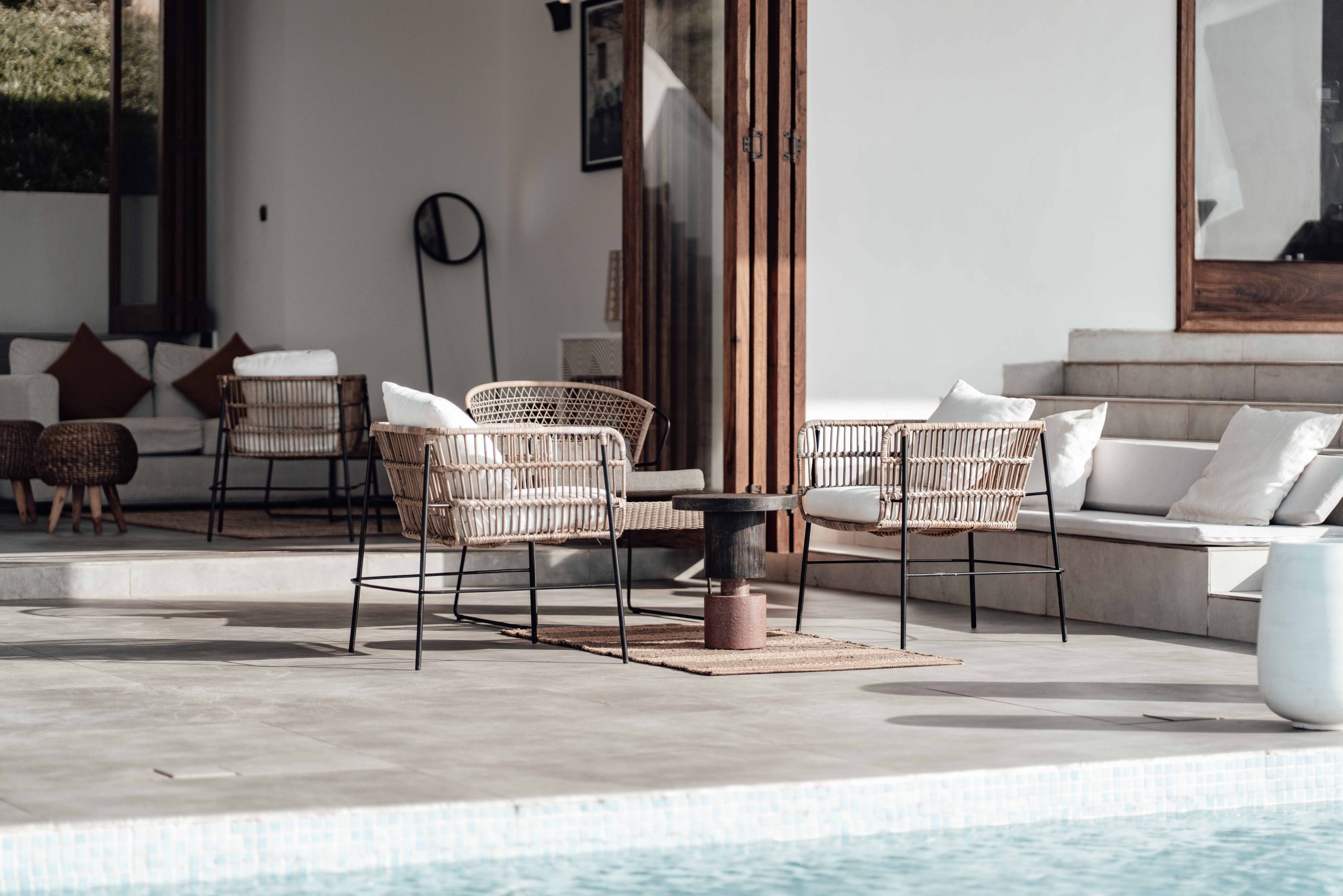
- Wicker and rattan absorb moisture easily. Natural wicker should stay out of heavy rain. Synthetic wicker handles weather better but still benefits from a cover during extended wet periods.
- Steel rusts when its coating is scratched or chipped. Touch up paint quickly, then apply a rust-inhibiting primer to any exposed metal.
- Aluminium resists rust but oxidises and looks dull over time. Regular cleaning and checking fasteners for corrosion keeps it looking good.
- Outdoor fabrics fade and weaken under sustained UV exposure. UV radiation degrades polymer fibres and pigments, particularly in fabrics made without UV stabiliser treatments.
Knowing what your furniture is made from makes it straightforward to pick the right products and stick to a care routine that actually works year-round.
How Can Outdoor Furniture Covers Extend the Life of Your Furniture?
A good cover is one of the simplest and most cost-effective tools available. It puts a physical barrier between furniture and everything the Australian climate delivers: sun, rain, wind, dust, and bird droppings.
The UV index across most of Australia regularly reaches extreme levels, and prolonged UV exposure causes colour fading, surface cracking, and structural weakening across a wide range of materials. For outdoor dining tables and larger settings, a cover is the easiest daily habit to protect the investment.
The benefits of using quality covers consistently include:
- Blocking UV rays that bleach colour and weaken surface coatings
- Reducing direct rain and moisture contact with frames and joints
- Keeping dust, pollen, and debris off surfaces between uses
- Reducing how often furniture needs a deep clean
- Slowing the discolouration and chalking of painted or powder-coated finishes
Cover fit matters more than most people realise. A cover that is too loose blows off in the wind and traps air pockets where moisture collects. A cover that is too tight puts pressure on frames and fittings over time. Look for covers with tie-down straps or drawstring bases for a secure fit in gusty conditions.
What Maintenance Tips Help Protect Outdoor Furniture All Year Round?
Seasonal maintenance cycles work well, but the most effective approach treats furniture care as an ongoing habit rather than a once-a-year project. Surfaces exposed to prolonged solar radiation absorb heat and UV light, and that heat contributes to coating breakdown and thermal expansion in joinery over time. Regularly done small tasks prevent the kind of damage that requires expensive repairs or full replacement.
A practical year-round maintenance list includes:
- Clean furniture every four to six weeks with mild soap and warm water, avoiding bleach or abrasive scrubbers
- Tighten loose screws, bolts, and joinery fittings every few months, as wind vibration loosens hardware gradually
- Reapply timber oil, sealant, or protective finish once or twice a year, depending on exposure
- Inspect for rust, mould spots, or surface damage after heavy rain or extended wet weather
- Rotate furniture placement occasionally so no single piece takes the full brunt of the afternoon sun
- Move cushions, outdoor rugs, and decorative plants indoors during prolonged storms or extreme heat events
Surface deterioration in timber is far easier and cheaper to fix before it penetrates deeper into the wood. Cleaning, filling, and recoating early stops minor issues from becoming structural ones. Timber surface repairs are most effective when done at the first sign of weathering, not once cracking or splitting has set in.
For setups that include an outdoor kitchen, smokeless fire pits, or infrared heaters, check that nearby furniture is not picking up grease residue or heat stress. Wipe down surfaces in cooking zones more frequently and keep heat-emitting equipment positioned so it does not make direct contact with furniture frames.
What Mistakes Should You Avoid When Protecting Outdoor Furniture?
Many homeowners shorten their furniture’s lifespan through seemingly harmless habits. Knowing what to avoid is as useful as knowing what to do.
UV radiation in Australia is present even on overcast days, so furniture left uncovered year-round accumulates damage continuously, not just on clear sunny afternoons. Synthetic and plastic components break down faster under sustained UV and moisture exposure than many buyers expect when purchasing resin- or polymer-based outdoor pieces.
The most common mistakes to avoid:
- Leaving cushions outdoors permanently. Foam cores absorb moisture and develop mould quickly. Store cushions inside when not in use.
- Using harsh cleaning chemicals. Bleach, strong degreasers, and abrasive pads strip protective coatings and damage finishes. Mild soap and water work for most surfaces.
- Covering wet furniture. Sealing moisture under a cover accelerates the growth of rust and mould. Always let furniture dry first.
- Ignoring minor rust or surface damage. A small rust patch or a chip in a timber coating can become a much bigger problem within a season if left untreated.
- Skipping the manufacturer’s care instructions. Generic advice works for most furniture, but specific products have specific requirements. Following the manufacturer’s guidance helps avoid voiding warranties and accidental damage.
Preventive care is always more cost-effective than restoration. A set of fire pits and matching outdoor seating kept in good shape through routine maintenance will outlast neglected pieces by years. Wood that receives proper surface care retains its structural integrity significantly longer than wood left to weather untreated.
Protect What You Have Built
Protecting outdoor furniture from Australia’s sun and rain does not require much time or expensive products. The right covers, the right cleaning routine, and material-specific care all add up to furniture that stays in great shape across seasons.
For more ideas on building a backyard worth spending time in, browse backyard design inspiration for Australian homes to plan your outdoor space from the ground up.
If you are ready to invest in outdoor furniture built for Australian conditions, get in touch with the team at Outdoor Living HQ for guidance on products that suit your space, climate, and lifestyle.
Frequently Asked Questions
How do I protect outdoor furniture from weather damage?
Regular cleaning, quality breathable covers, and material-specific treatments are the three core steps. Clean furniture every 4 to 6 weeks with mild soap and water, cover it when not in use, and reapply protective finishes, such as timber oil or sealant, once or twice a year. Acting on small damage early, whether a chip, a rust spot, or surface cracking, prevents it from spreading into something far more costly to fix.
Should I cover outdoor furniture when it is not in use?
Yes, covering furniture when it is not in use is one of the most effective ways to extend its life. Covers block UV radiation, reduces moisture contact, and keeps debris off surfaces between uses. Choose a breathable cover that fits properly to avoid moisture from trapping beneath the fabric. Secure the cover with tie-down straps or a drawstring base to keep it in place during wind.
What is the best way to waterproof outdoor furniture?
The best approach depends on the material. Timber benefits from a penetrating oil or sealant applied annually. Metal furniture benefits from rust-inhibiting primer and touch-up paint applied to any chips or scratches as soon as they appear. Outdoor fabrics respond well to UV-resistant waterproofing sprays designed for textile use. For all material types, keeping covers on when furniture is not in use adds a reliable extra layer of protection.
How often should outdoor furniture be cleaned and maintained?
A light cleaning every four to six weeks keeps most outdoor furniture in good shape. More frequent cleaning is worthwhile after storms, heavy pollen seasons, or if furniture sits near a barbecue or cooking area. A deeper maintenance check, tightening hardware, reapplying finishes, and inspecting for damage, is worth doing every six months or at the start of each season.
Can outdoor furniture stay outside year-round?
Many outdoor furniture materials withstand year-round use, but all pieces last longer with some seasonal care. Cushions and soft furnishings should be brought inside during wet weather or during extended winter months. Timber and steel pieces benefit from a protective cover during heavy rain or heatwaves. Aluminium and quality synthetic wicker are the most weather-tolerant options for full-time outdoor use across most Australian climates.
Sources
- Safe Work Australia. Guide to exposure to solar ultraviolet radiation. https://www.safeworkaustralia.gov.au/system/files/documents/1702/guide-exposure-solar-ultraviolet-radiation.pdf
- Australian Radiation Protection and Nuclear Safety Agency. Sun protection and shade. https://www.arpansa.gov.au/understanding-radiation/radiation-sources/more-radiation-sources/sun-protection-shade
- CSIRO Infratech. Coatings and weathering. https://research.csiro.au/infratech/coatings/
- CSIRO Infratech. Solar reflective cool coatings. https://research.csiro.au/infratech/wp-content/uploads/sites/38/2024/12/4409_Solarreflectivecoolcoatings_WCAG.pdf
- Government of Western Australia. Wood preservation guidelines. https://www.wa.gov.au/system/files/2021-05/HER-Wood-Preservation-2019.pdf
- Queensland Government. Technical note: minor repairs to timber. https://www.qld.gov.au/__data/assets/pdf_file/0022/67054/tn-minor-repairs-timber.pdf
- Heritage Victoria. Timber repairs. https://www.heritage.vic.gov.au/__data/assets/pdf_file/0019/505270/Timber-repairs.pdf
- Museum of Western Australia. Wood care and deterioration. https://manual.museum.wa.gov.au/book/export/html/121/index.html
- Australian Radiation Protection and Nuclear Safety Agency. UV exposure frequently asked questions. https://www.arpansa.gov.au/understanding-radiation/radiation-sources/more-radiation-sources/sun-exposure/frequently-asked-questions
- Australian Radiation Protection and Nuclear Safety Agency. UV protection performance of materials. https://www.arpansa.gov.au/sites/default/files/legacy/pubs/upf/uvrProtectionArticle.pdf
- Murdoch University Research Portal. UV-induced damage and UV-resistant materials. https://researchportal.murdoch.edu.au/view/pdfCoverPage?instCode=61MUN_INST&filePid=13136833640007891&download=true
- University of Wollongong Research Online. UNEP plastics and UV radiation assessment update 2023. https://ro.uow.edu.au/articles/report/United_Nations_Environment_Programme_UNEP_Plastics_in_the_environment_in_the_context_of_UV_radiation_climate_change_and_the_Montreal_Protocol_2023_Assessment_Update_of_the_UNEP_Environmental_Effects_Assessment_Panel/27329467