Blog
Wood-Fired vs. Gas Pizza Ovens: Which Is Better for Outdoor Cooking?

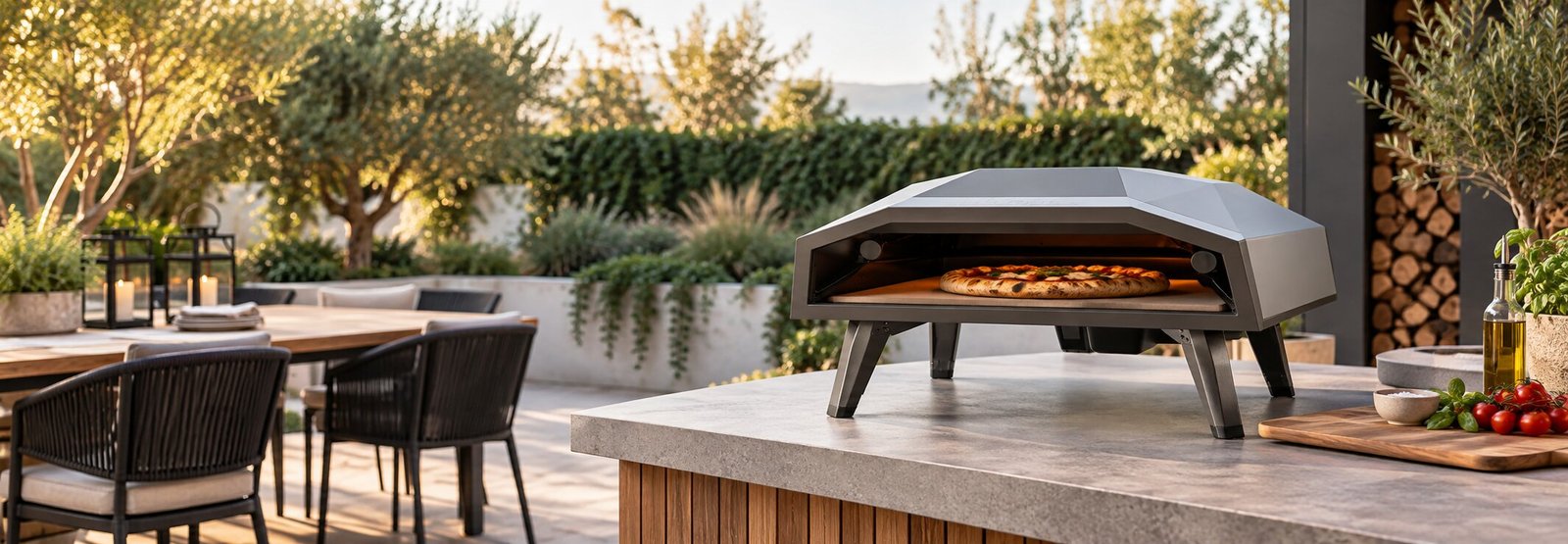
The choice between a wood-fired and a gas pizza oven comes down to flavour versus convenience. A wood-fired oven gives you a live flame, a light smoky taste and the ritual of building a fire, but it takes longer to heat and more effort to manage. A gas pizza oven heats up faster, holds a steadier temperature and is easier to clean. This guide compares how each works, cooking results, running costs, Maintenance, safety, and Space so that you can pick the right oven for your backyard.
How Do Wood-Fired and Gas Pizza Ovens Work?
A wood-fired pizza oven burns firewood inside the cooking chamber. The fire heats the oven floor, walls and dome, which then cook the pizza from below and above. A gas pizza oven uses a gas burner, usually fuelled by an LPG cylinder, to heat a pizza stone and the surrounding chamber. You control the heat with a dial instead of adding wood.
Wood-fired ovens:
- You light a fire with kindling, then build it up with dry, seasoned hardwood.
- The fire is pushed to the side or back once the oven is hot.
- Heat comes from the flame, the hot floor and the heat stored in the oven body.
- You manage temperature by adding wood and controlling airflow.
Gas ovens:
- You connect a gas cylinder, turn the dial and press an igniter.
- The burner heats the stone and the chamber.
- Heat is adjusted with the gas control.
- There is no fire to build, feed or put out.
For example, our Diablo 16-inch gas pizza oven uses a 7.5kW burner with piezo ignition, a pizza stone and a cooking area of 49.2 x 42.6cm.
Wood-Fired vs Gas Pizza Ovens: Key Differences
The key differences between wood-fired and gas pizza ovens are fuel, flavour, heat-up time, temperature control and cleaning. Wood gives a more traditional cooking experience and a subtle smoky flavour. Gas gives faster, more predictable cooking with less mess and less hands-on effort.
| Feature | Wood-fired pizza oven | Gas pizza oven |
| Fuel | Dry, seasoned firewood | LPG cylinder or gas supply (check model) |
| Flavour | Light smoky, wood-fired character | Clean flavour, no wood smoke |
| Heat-up time | Longer; fire must be built | Shorter; turn on and preheat |
| Temperature control | Manual, by adding wood and managing air | Dial control |
| Ease of use | Takes practice | Beginner friendly |
| Cleaning | Ash removal after each use | Brush the stone; no ash |
| Smoke | Yes, especially when starting the fire | Minimal |
| Fire ban days | Solid-fuel ovens cannot be used outside on Total Fire Ban days in NSW and Victoria | Gas cooking may be allowed with conditions |
| Best for | Enthusiasts who enjoy the fire ritual | Families and busy cooks who want quick results |
Cooking Performance, Temperature Control and Pizza Quality Compared
Bothwood-firedd and gas pizza ovens can cook excellent pizza. Wood-fired ovens add a subtle smoky flavour and a classic charred crust, but heat can rise and fall as the fire burns. Gas ovens deliver steadier, more repeatable heat, making it easier to get consistent results from one pizza to the next.
Wood-fired cooking:
- Flavour: a gentle smoky taste from the burning wood.
- Crust: a charred, blistered crust is the classic result.
- Control: takes practice. You add wood to keep the heat up and rotate pizzas near the flame.
- Consistency: can vary from pizza to pizza as the fire changes.
Gas cooking:
- Flavour: clean, with the taste coming from dough and toppings.
- Crust: a crisp, well-cooked base from the hot stone.
- Control: adjust the flame with a dial.
- Consistency: easier to repeat the same result every time.
Tip for either oven: let the stone heat up fully before the first pizza, and rotate each pizza during cooking to ensure it browns evenly.
Exact maximum temperatures vary by model, so check the specifications of any oven you are comparing.
Heating Time, Fuel Efficiency and Running Costs
Gas pizza ovens generally heat up faster because you only need to turn them on and let the stone preheat. Wood-fired ovens take longer, since you must light a fire, build it up and let the oven body absorb heat. Running costs depend on local firewood and gas prices, as well as how often you cook.
| Factor | Wood fired | Gas |
| Start-up | Light and build a fire | Turn on and preheat |
| Time to cooking | Longer | Shorter |
| Fuel to buy | Dry, seasoned hardwood | LPG cylinder refills or connected gas |
| Fuel storage | Dry, covered woodpile | Upright cylinder in a ventilated outdoor area |
| Running cost | Depends on firewood price and supply | Depends on gas price and cooking time |
| Waste | Ash to dispose of | None |
Ways to reduce running costs:
- Cook several pizzas or other dishes in one session.
- Keep the oven door or opening shut while preheating where the design allows.
- For wood ovens, use dry, seasoned wood. Damp wood burns poorly and makes more smoke.
- For gas ovens, close the cylinder valve when you finish.
Ease of Use, Cleaning and Maintenance Requirements
Gas pizza ovens are easier to use and maintain. There is no fire to manage and no ash to remove, so cleaning is mostly brushing the stone and wiping the outside. Wood-fired ovens need ash removed after each use and a little more care, but many owners enjoy the hands-on process.
Wood-fired maintenance:
- Let the oven cool fully, then remove ash.
- Brush the cooking floor.
- Keep the oven covered when not in use.
- Store firewood off the ground and dry.
Gas oven maintenance:
- Let the oven cool, then brush crumbs off the stone.
- Wipe the outside with a damp cloth.
- Check the hose and fittings regularly.
- Keep it covered between uses.
Gas safety. Energy Safe Victoria’s guide to gas and LPG safety outdoors advises checking fittings with soapy water, never using a flame to detect a leak, closing the cylinder valve when the appliance is not in use, and using only LPG cylinders tested within the last 10 years.
Our 16-inch gas oven comes with a trolley, pizza paddle, pizza cutter, oven cover and gas regulator, so you have the basics to start cooking.
Installation, Space and Outdoor Safety Considerations. Wood-fired ConConsiderations Wood-firedsiderationsWood-firedWood-firedWood-firedConsiderations
Wood fired ovens are often heavier and may be built in,which requiress more plannine. Portable gas ovens on a stand or trolley can be moved and stored more easily. Whichever you choose, place the oven on a stable, non-combustible surface in an open, well-ventilated area away from walls, fences and plants.
Placement checklist:
- [ ] Stable, level surface that will not catch fire.
- [ ] Space from walls, fences, overhanging trees and plants.
- [ ] Open, well-ventilated outdoor area.
- Space to stand, turn pizzas and land the paddle.
- [ ] Wind direction away from doors, windows and neighbours.
- [ ] Gas cylinder kept upright on a firm, level, non-combustible base.
Ventilation. Energy Safe Victoria says to use LPG cylinders only in well-ventilated outdoor areas, never indoors, and warns that outdoor LPG appliances pose a risk of carbon monoxide poisoning.
Fire bans. The NSW RFS Total Fire Ban rules say a barbecue or wood fire pizza oven that uses solid fuel cannot be used outside during a Total Fire Ban. In Victoria, CFA’s Can I or Can’t I guide says the Fire Danger Period barbecue rules also apply to pizza ovens, and that cookers burning solid fuels such as wood are banned on Total Fire Ban days. Gas cooking may be allowed under specific conditions, so check with your state fire service before you cook.
Which Pizza Oven Is Best for Your Outdoor Cooking Needs?
Choose a wood-fired pizza oven if you love the flavour, enjoy the fire, and have Space and time to use it. Choose a gas pizza oven if you want faster heat-up, easy temperature control, simple cleaning and fewer restrictions on fire ban days.
Buying checklist:
- [ ] How often will you cook pizza?
- [ ] How much time do you want to spend heating and cleaning?
- [ ] Do you want a smoky flavour or clean, consistent results?
- [ ] How much space do you have, and do you want it portable?
- [ ] Is firewood easy and affordable to buy where you live?
- [ ] Do you live in an area with frequent Total Fire Ban days?
- [ ] What size pizzas do you want to cook?
- [ ] What accessories are included, such as a stand, cover and paddle?
| If you want… | Best choice |
| Traditional wood flavour | Wood fired |
| Quick weeknight pizza | Gas |
| Easy cleaning | Gas |
| A hands-on cooking ritual | Wood fired |
| A portable oven on a stand | Gas (or electric) |
| More cooking on fire ban days | Gas or electric, within your state’s rules |
Our pizza oven range focuses on gas and electric models, both of which are supplied with a stand. If you are weighing those two options, read our guide to choosing a gas or electric pizza oven, or see the Diablo 13-inch electric pizza oven.
Frequently Asked Questions
Does pizza taste better in a wood-fired gas pizza oven?
It depends on what you like. Wood-fired ovens add a light smoky flavour and a classic charred crust. Gas ovens give a clean flavour and more consistent results. Both can make excellent pizza when the stone is fully heated.
Which pizza oven heats up faster, wood-fired or gas?
Gas pizza ovens usually heat up faster. You turn on the burner and let the stone preheat. A wood-fired oven needs a fire lit and built up, and the oven body needs time to absorb heat before cooking.
Are gas pizza ovens cheaper to run than wood-fired ovens?
It depends on local prices for gas and firewood, how long you coon andd how often. Gas offers more predictable fuel use per session. Firewood costs vary by region and supplier, and you will need a dry place to store it.
Can you cook foods other than pizza in both types of ovens?
Yes. Both can cook bread, roast vegetables, meat and other dishes. Our 16-inch gas oven is described as a beef-and-pizza baking oven. Check each oven’s instructions for the cookware and temperatures it suits.
Which pizza oven is easier to maintain?
A gas pizza oven is easier to maintain. There is no ash to clear, so care is mostly brushing the stone, wiping the outside and checking the gas fittings. Wood-fired ovens need ash removed after each use and dry firewood storage.
Choose the Right Pizza Oven for Your Backyard
The wood-fired vs gas pizza oven decision is about how you like to cook. Wood-fired suits people who enjoy the fire and the flavour. Gas suits people who want fast heating, steady control, easy cleaning, and simpler use on fire-ban days.
If you are building a full outdoor cooking area, our outdoor kitchen pods bring the grill, prep, and storage together, and our backyard guide to entertaining ideas helps you plan space around them.