Blog
What Outdoor Furniture Is Best for Patios All Year Round?

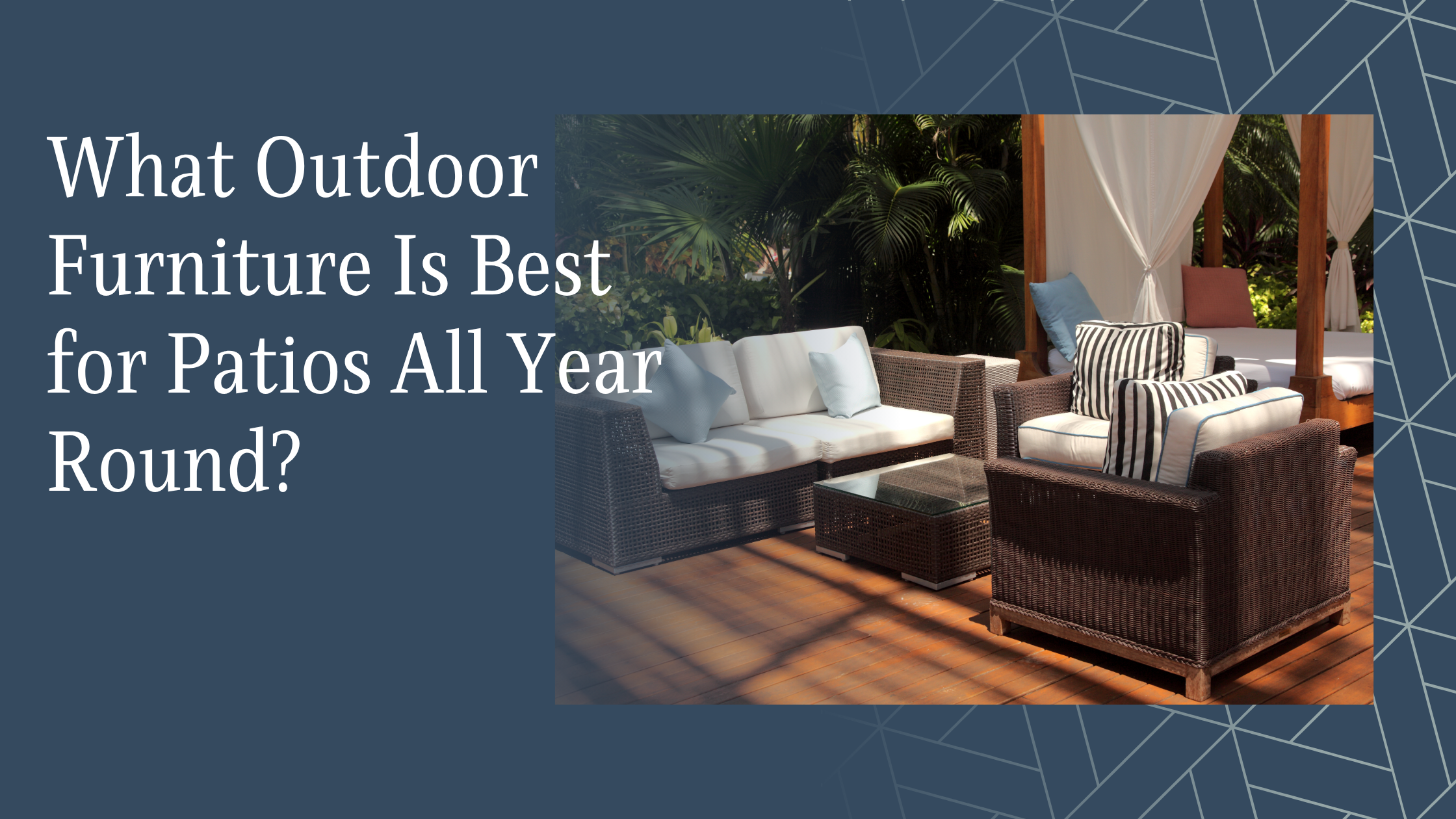
The best outdoor furniture for patios combines weather-resistant materials, lasting comfort, and low-maintenance design. In Australia’s climate, where UV radiation is intense and rain can arrive without much warning, those choices matter a lot more than they do elsewhere. The right furniture performs across every season without fading, cracking, or rusting after a year outdoors.
Key Takeaways
- The material you choose for patio furniture directly determines how it holds up against Australia’s UV radiation, humidity, and seasonal temperature swings.
- Aluminium, teak, and synthetic wicker are the top-performing materials for year-round outdoor use in Australian conditions.
- Patio size, intended use, and maintenance preferences should all guide your furniture selection before you spend a dollar.
- Regular cleaning, protective covers, and seasonal timber oiling keep outdoor furniture looking good and structurally sound for years longer.
Which Materials Are Best for Durable Patio Outdoor Furniture?
Material choice is the single biggest factor in how well patio furniture holds up over time. Australia’s outdoor environment is demanding. UV radiation here ranks among the highest in the world, and materials exposed to UV radiation and moisture experience surface breakdown over time regardless of their base quality. Choosing the right material from the start saves money and maintenance effort in the long run.
Aluminium
Aluminium is one of the most practical choices for Australian patios. It does not rust, it handles coastal air well, and it stays relatively cool to the touch compared to steel. Marine-grade aluminium performs especially well in coastal areas where salt spray accelerates corrosion of outdoor metals. It is also lightweight enough to rearrange easily when entertaining.
Timber
Teak and other hardwood timbers bring natural warmth and genuine visual appeal to any patio setting. Hardwoods contain natural oils that resist moisture and insect damage. That said, timber exposed to outdoor conditions requires ongoing maintenance to prevent surface checking, grey weathering, and structural weakening. Annual oiling keeps the timber protected and looking its best.
Synthetic Wicker and Powder-Coated Steel
Here is a quick look at the other popular choices:
- Synthetic wicker uses resin weaving over an aluminium or steel frame. It resists UV fading better than natural rattan and handles rain without swelling or warping.
- Powder-coated steel offers strength and a wide range of finishes. The powder coating protects against rust, though chips and scratches need prompt attention in humid climates.
- Recycled plastic is highly resistant to moisture and UV, requires almost no maintenance, and suits buyers who want a sustainable option without the upkeep trade-off.
UV-stabilised synthetic materials retain their colour and structural integrity far longer than untreated counterparts when exposed to direct sunlight. For Australian patios with full sun exposure, UV-resistant ratings on any synthetic product are worth checking before purchase.
How Do You Choose the Right Outdoor Furniture for Your Patio?
Getting the material right is the first step. Getting the fit right is the second. Furniture that suits the space and the way you actually use your outdoor area will see far more use than something that looks good in a showroom but feels awkward in practice.
Think through these points before committing to a purchase:
- Patio dimensions: measure the space first, including clearance for chairs to pull out and pathways to stay open
- Seating capacity: how many people do you regularly entertain versus the occasional larger gathering
- Primary use: dining, casual lounging, or a mix of both will point you toward different furniture types
- Weather exposure: a covered patio tolerates different materials than a fully exposed one
- Maintenance appetite: timber looks beautiful but needs annual care; aluminium and synthetic wicker need far less
- Home design style: contemporary, coastal, and traditional aesthetics each suit different furniture profiles
Modular outdoor lounge suites work particularly well for patios used for both relaxed entertaining and larger gatherings. Sections can be rearranged or added over time, which gives the space flexibility without requiring a full furniture replacement. For outdoor dining specifically, browse the outdoor dining table range to find sizes that suit your layout.
What Outdoor Furniture Styles Work Best for Modern Patios?
Style affects how a space feels as much as how it looks. The right aesthetic creates a cohesive outdoor area that feels like a genuine extension of the home rather than an afterthought. Australian outdoor design continues to favour clean lines, natural textures, and neutral palettes that age well rather than following short-lived trends.
Popular styles worth considering include:
- Contemporary minimalist: low-profile frames, clean geometry, and muted colours that suit modern architecture
- Coastal: natural textures like timber and wicker paired with soft whites, greens, or sandy tones
- Mixed-material: combining aluminium frames with timber accents or wicker seats for visual interest
- Modular lounge suites: flexible configurations that suit both intimate settings and group entertaining
- Full outdoor dining collections: matched table and chair sets that anchor the space and create a defined dining area
Neutral colour palettes remain the most popular choice in Australian outdoor design because they work with changing soft furnishings and seasonal styling without the furniture itself looking dated. Cushions, rugs, and planters carry the colour, while the furniture frame provides the structure.
Pairing furniture with a well-considered outdoor kitchen setup creates a complete entertaining zone. Adding plants softens hard surfaces and brings the patio to life without major structural changes.
How Can You Keep Patio Outdoor Furniture Looking New All Year Round?
Good furniture, consistently maintained, outlasts well-priced furniture left to the elements. Australian conditions accelerate wear due to intense UV, seasonal humidity, and temperature swings between summer and winter. A consistent maintenance routine addresses all three.
Routine Cleaning and Protection
Start with the basics. Regular cleaning removes the salt, dust, pollen, and mould spores that accumulate on outdoor surfaces, causing staining and surface breakdown. A mild soapy water solution works for most materials. Avoid abrasive cleaners on powder-coated steel or synthetic wicker, as they strip the protective surface layer.
Seasonal Maintenance
Many homeowners ask, how do I protect outdoor furniture so it remains in excellent condition for years. Beyond regular cleaning, a few simple seasonal maintenance habits can significantly extend its lifespan:
Metal Frames: Inspect powder-coated steel frames annually for chips, scratches, or rust spots. Repair any damage with the appropriate touch-up paint before corrosion spreads and compromises the protective finish.
Timber: Reapply a quality exterior oil or sealant once a year, or more frequently in coastal areas where moisture and salt air can accelerate weathering and deterioration.
Cushions: Store cushions indoors or in a weatherproof storage box when they’re not in use. UV exposure and moisture degrade fabric much faster than everyday wear, leading to fading, mould, and premature deterioration.
Covers: Use breathable weatherproof covers during extended periods of non-use. Breathable materials protect furniture from the elements while allowing trapped moisture to escape, helping prevent mould and mildew from developing underneath.
The Outdoor Living HQ blog covers care-specific details for anyone wanting a deeper look at protecting furniture between seasons.
What Should You Consider Before Buying Outdoor Furniture for Your Patio?
Buying outdoor furniture is a long-term investment. The difference between furniture that lasts five years and furniture that lasts fifteen often comes down to decisions made before the purchase, not after.
Work through this list before spending:
- Material durability relative to your location: coastal areas need corrosion-resistant materials; inland areas with harsh sun need strong UV ratings
- Warranty coverage: A meaningful manufacturer warranty signals genuine product confidence
- Comfort and ergonomics: seat depth, back height, and cushion density affect how much the furniture actually gets used
- Available space: furniture that crowds a patio gets used less and creates frustration
- Budget versus long-term value: higher-quality furniture typically costs more upfront but delivers better value over its lifespan when maintenance and replacement costs are factored in
- Local climate specifics: Australia’s UV radiation levels are among the highest globally, which means UV resistance is a baseline requirement for any outdoor material
Surface coating performance under UV and moisture exposure shows that protective coatings on outdoor materials degrade at significantly different rates depending on quality and application. Budget materials with thin or poorly applied coatings fail more quickly, regardless of the base material.
Browsing the full outdoor furniture range gives a clear sense of what is available across different styles, materials, and price points. The fire pit and infrared heater collections are worth considering alongside furniture if you use your patio in cooler months.
The right patio furniture balances durability, comfort, and style across Australian conditions. Choosing weather-resistant materials, sizing the furniture to the space, and committing to a basic maintenance routine give any outdoor area the best chance of performing well year after year. Visit the Outdoor Living HQ shop to explore options suited to different patios, budgets, and outdoor lifestyles, or get in touch if you need help finding the right fit.
Frequently Asked Questions
What outdoor furniture is best for patios?
The best outdoor furniture for patios in Australia uses weather-resistant materials such as aluminium, teak, or synthetic wicker that can withstand UV radiation, humidity, and rain. The right choice depends on your patio’s exposure level, how much maintenance you want to do, and the style of your outdoor space.
Which outdoor furniture material lasts the longest?
Teak timber and marine-grade aluminium consistently last the longest in Australian outdoor conditions. Teak contains natural oils that resist moisture and insects, while aluminium does not rust and holds up well in coastal environments where salt air accelerates metal corrosion.
What size outdoor furniture is best for a small patio?
For a small patio, a compact two or four-seater setting with slim-profile frames keeps the space open and functional. Armless chairs and round tables take up less visual and physical space than bulkier square or rectangular designs with wide armrests.
How do I protect patio furniture from sun and rain?
Use breathable weatherproof covers when furniture is not in use, store cushions indoors between uses, and reapply protective oils to timber annually. For metal furniture, inspect for chips or rust spots each season and treat them promptly before surface damage spreads.
Is it better to buy timber, aluminium, or wicker outdoor furniture?
Each material suits different priorities. Timber is the most visually warm option, but needs regular maintenance. Aluminium is low-maintenance and rust-resistant, making it practical for most Australian climates. Synthetic wicker offers a softer aesthetic with good weather resistance, though the quality of the underlying frame matters as much as the weave itself.
Sources
- ARPANSA – Sun Protection and Shade: https://www.arpansa.gov.au/understanding-radiation/radiation-sources/more-radiation-sources/sun-protection-shade
- CSIRO – Coatings and Material Durability: https://research.csiro.au/infratech/coatings/
- Safe Work Australia – Guide to Exposure to Solar Ultraviolet Radiation: https://www.safeworkaustralia.gov.au/system/files/documents/1702/guide-exposure-solar-ultraviolet-radiation.pdf
- ARPANSA – UVR Protection Article: https://www.arpansa.gov.au/sites/default/files/legacy/pubs/upf/uvrProtectionArticle.pdf
- WA Government – Wood Preservation Guide: https://www.wa.gov.au/system/files/2021-05/HER-Wood-Preservation-2019.pdf
- Queensland Government – Minor Repairs to Timber: https://www.qld.gov.au/__data/assets/pdf_file/0022/67054/tn-minor-repairs-timber.pdf
- University of Wollongong – UNEP Plastics in the Environment in the Context of UV Radiation, Climate Change and the Montreal Protocol: https://ro.uow.edu.au/articles/report/United_Nations_Environment_Programme_UNEP_Plastics_in_the_environment_in_the_context_of_UV_radiation_climate_change_and_the_Montreal_Protocol_2023_Assessment_Update_of_the_UNEP_Environmental_Effects_Assessment_Panel/27329467
- University of Tasmania – Timber and Wood Product Innovation: https://www.utas.edu.au/research/institutes-and-centres/csaw/research/timber-and-wood-product-innovation
- CSIRO Publications – Timber Durability Research: https://publications.csiro.au/publications/publication/PIprocite:7aeace78-428d-4127-af8c-667177672ea2
- University of Southern Queensland – Mechanical and Durability Performance of Hybrid Flax Fibres and Graphene Composites: https://research.usq.edu.au/item/z1x1v/mechanical-and-durability-performance-of-hybrid-flax-fibres-and-graphene-composites
- Western Sydney University – Characterisation of the Sydney Region in Relation to Corrosion: https://researchers.westernsydney.edu.au/en/studentTheses/characterisation-of-the-sydney-region-in-relation-to-corrosion-ti/